


If you’re interested in the delicious foods of India, here’s a guide to Samosa, Dosa, Chapati, and Korma. Then, pick a dish and dive in. Then, read on to learn about other Indian cuisine and its dishes. Once you know what to look for, you’ll have no problem finding delicious meals in any part of the country. There’s an Indian food recipe out there for every taste.
Samosa

Originally from India, samosas have since been exported to various parts of the world. They are particularly popular in India, South-East Asia, the Arabian Peninsula and North Africa. The samosa recipe varies from region to region, but many of the same basic ingredients are used. Depending on the region, samosas can be stuffed with meat, spinach, feta cheese, or a variety of other ingredients.
Dosa

To make a dosa, you need a non-stick frying pan. Drizzle a little ghee or oil into the pan. Then, pour the batter and spread it out in a circular motion. The batter should be thin and crisp, about six to seven inches in diameter. Flip the dosa when the top is lightly browned. Cook it until the bottom is light golden brown. Repeat to cook the other side.
Chapati

A chapatti is a type of flatbread that originates from India. It was first made around 15th century when Bikrmi Shri Guru Nanak Dev ji, the human avatar of Lord Krishna, reached Manikaran, India. The people there were starving and the Guru instructed one of his disciples to make chapatis. They were then served to the deities as food instead of kheer and sweet rice.
Korma

A popular dish in South Asia, korma is a combination of yogurt, vegetables, meat, water, stock, spices, and other ingredients to create a thick and savory sauce. Often, korma is made with chicken or lamb, and is an excellent choice when you want to add a spicy kick to your meal. While the dish may sound like a typical Indian meal, korma is much different.
Palak paneer
You can easily prepare this delicious Indian food in a few minutes at home. To prepare it, simply combine 2 cups of sour cream, 1 cup of goat yogurt, and 2 ounces of paneer in a heavy bottomed pot. Heat it over medium heat until the mixture is smooth and creamy. Then, add a few tablespoons of water and continue cooking for another 5 to 6 minutes. Serve it with rice or lentil dishes and you’ll have a delicious vegetarian dish!
Sambar
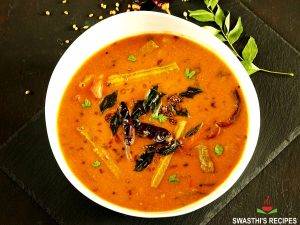
Sambar is a lentil-based vegetable stew cooked with pigeon pea broth. It is popular in Indian and Sri Lankan cuisine, and has also been adapted into Burmese cuisine, where it is commonly served as an accompaniment to curries. Its distinctive flavor, thick consistency, and use of spices make it a staple of Indian cuisine. In this article, we’ll discuss the origins of sambar and its various variations.
Sambar is a popular curry dish
Whether you’re a vegetarian, vegan, or just like a good curry, sambar is an essential part of the Indian diet. There are several varieties of sambar, from chicken to seafood to milk. The classic version is made with tomatoes, shallots, and tamarind. You can also add your favorite vegetables, such as eggplant, potatoes, or even drumsticks (a kind of discarded outer skin and pulp).
Dosa is enriched with fenugreek seeds
Fenugreek seeds are often a key ingredient in dosas. These tiny seeds have numerous health benefits, including being high in fiber and protein. They are also safe for infants and toddlers, but should be included in baby’s diets only after one year. Some children may be allergic to fenugreek seeds, so it’s best to avoid it until your child is at least one year old. In small amounts, fenugreek seeds are not harmful to babies but large quantities may cause loose motion and allergic reactions.